5 Steps to Build a Successful Digital Transformation Strategy
In today's fast-paced business environment, organizations that fail to evolve digitally risk falling behind their competitors. Partnering with an experienced Digital Transformation Strategy Consultant can help you navigate this complex journey with clarity and confidence. Here are five essential steps to build a digital transformation strategy that delivers real, measurable results.
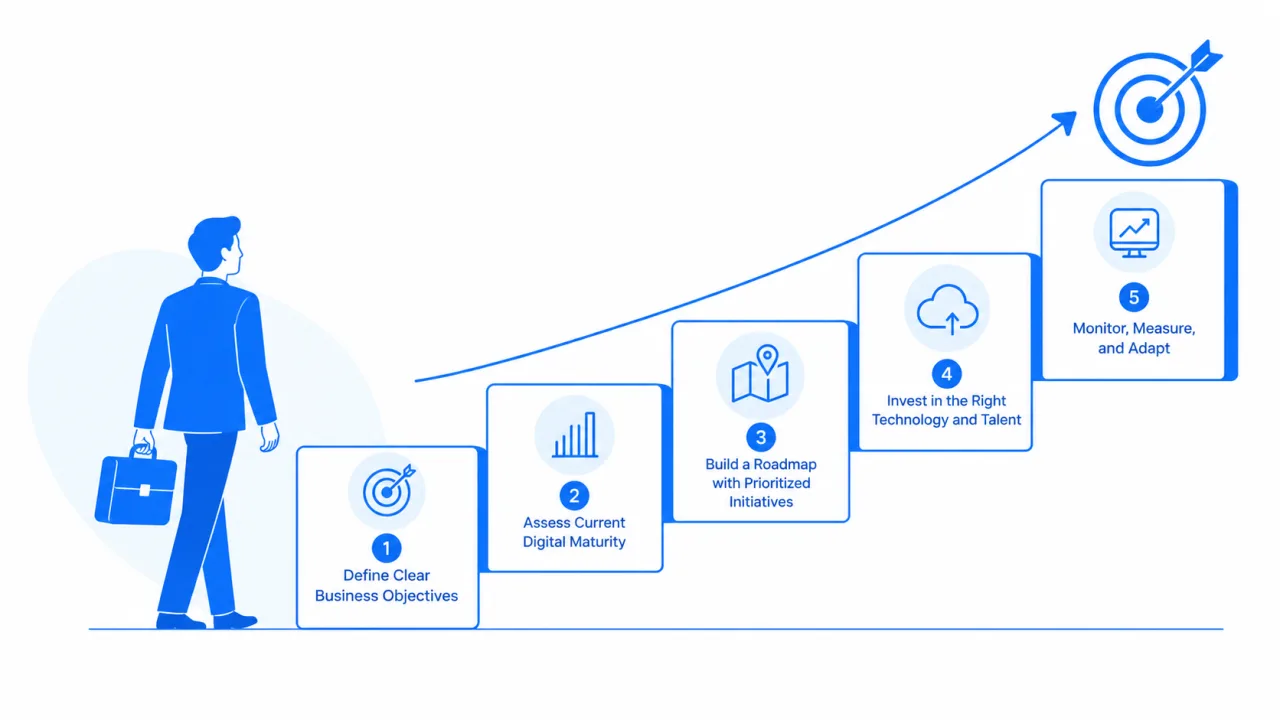
1. Define Clear Business Objectives
Every successful transformation begins with a clear understanding of "why." Before adopting new technologies, businesses must identify specific goals — whether it's improving customer experience, streamlining operations, or increasing revenue. Working with a skilled Digital Transformation Strategy Consultant ensures your objectives align with long-term business value rather than short-term technology trends.
2. Assess Current Digital Maturity
You can't chart a path forward without knowing where you currently stand. Conducting a thorough digital maturity assessment helps identify gaps in technology, processes, and skills. This step reveals which systems are outdated, where inefficiencies exist, and what capabilities need to be built. An experienced consultant brings an objective, data-driven lens to this evaluation, helping avoid costly blind spots.
3. Build a Roadmap with Prioritized Initiatives
Once objectives and gaps are clear, it's time to create a structured roadmap. This involves prioritizing initiatives based on impact, feasibility, and available resources. A well-designed roadmap breaks transformation into manageable phases, ensuring quick wins early on while building toward larger, long-term goals. This is where expert guidance from Dhananjay Arora becomes invaluable — turning ambition into an actionable, realistic plan.
4. Invest in the Right Technology and Talent
Technology alone doesn't drive transformation — people do. Successful digital transformation requires investing in tools that genuinely solve business problems, alongside upskilling employees to use them effectively. Cloud platforms, automation, AI, and data analytics are common enablers, but choosing the right combination depends on your unique business context. This is a core area where a Digital Transformation Strategy Consultant adds significant value, recommending solutions tailored to your industry and goals rather than one-size-fits-all packages.
5. Monitor, Measure, and Adapt
Digital transformation isn't a one-time project — it's an ongoing process. Establishing key performance indicators (KPIs) allows businesses to track progress and measure ROI accurately. Regular reviews help identify what's working and what needs adjustment. Agility is critical; markets and technologies evolve quickly, and your strategy should evolve with them.
Final Thoughts
Building a successful digital transformation strategy requires vision, structure, and expert execution. From defining objectives to measuring outcomes, every step plays a crucial role in ensuring lasting impact. If you're ready to future-proof your business, partnering with a trusted Digital Transformation Strategy Consultant like Dhananjay Arora can make all the difference — turning digital ambition into sustainable growth.
Visit dhananjayarora.com to learn how customized digital transformation consulting can help your organization thrive in the digital age.