Digital Transformation Strategy for Traditional Businesses
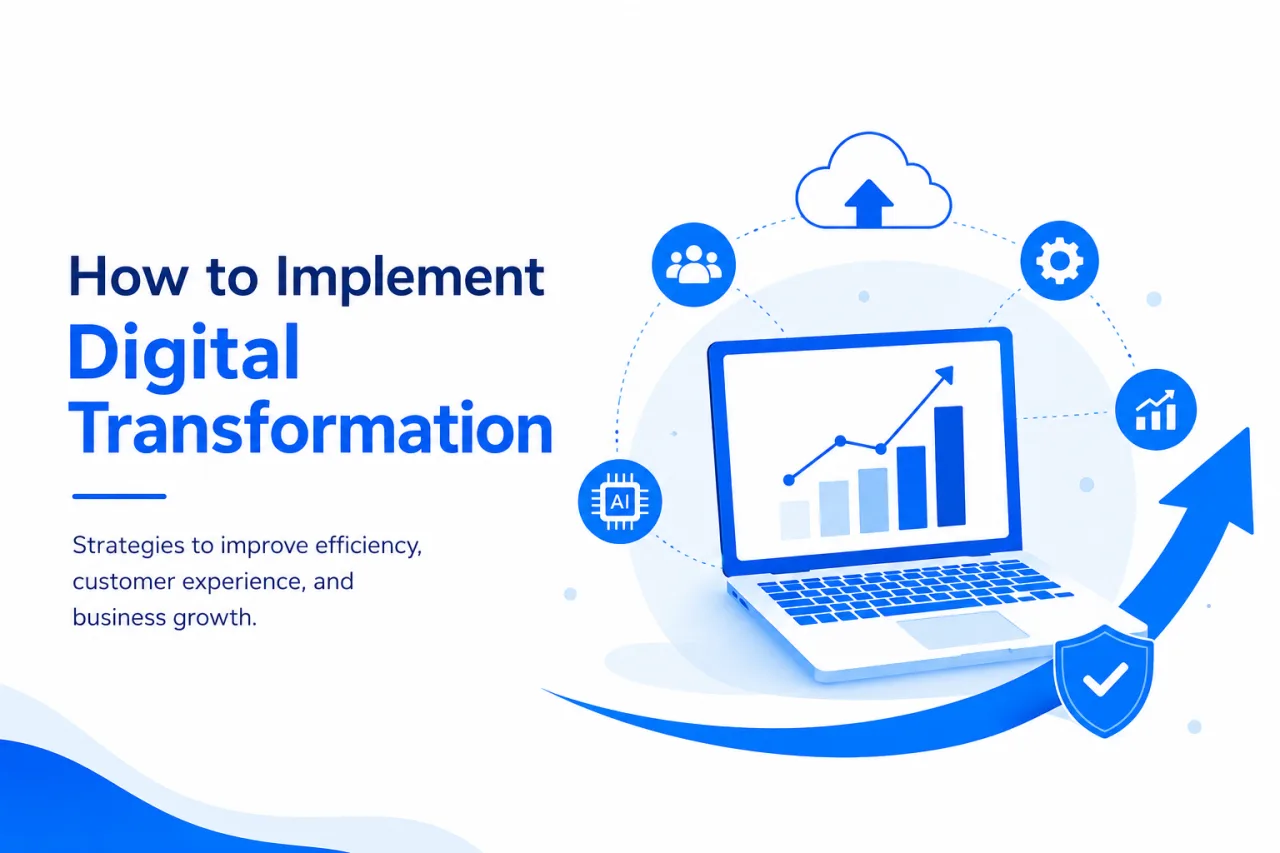
Traditional businesses are facing increasing pressure to adapt to the digital era. Customers expect seamless online experiences, faster services, and personalized interactions. Whether you're in manufacturing, retail, healthcare, finance, or professional services, understanding How to Implement Digital Transformation is essential for long-term growth and competitiveness.
Digital transformation is more than adopting new technology—it's about reshaping your business processes, culture, and customer experience to meet modern demands.
Why Digital Transformation Matters
Businesses that embrace digital transformation can streamline operations, improve productivity, reduce costs, and deliver better customer experiences. From automating repetitive tasks to using data for smarter decision-making, digital tools help organizations stay ahead in an increasingly competitive market.
However, successful transformation requires a well-defined strategy rather than simply investing in new software.
How to Implement Digital Transformation Effectively
Start by identifying the challenges your business wants to solve. Whether it's improving customer satisfaction, increasing operational efficiency, or boosting revenue, your digital initiatives should align with measurable business objectives.
Evaluate your existing workflows and identify areas where technology can eliminate inefficiencies. Mapping your processes helps determine which operations should be automated or modernized first.
Choose digital solutions that match your business requirements. This may include:
- Cloud computing
- Customer Relationship Management (CRM)
- Enterprise Resource Planning (ERP)
- Artificial Intelligence (AI)
- Data Analytics
- Process Automation
The right technology should support future growth while integrating smoothly with your existing systems.
Technology alone cannot drive transformation. Employees should understand the value of digital initiatives and receive proper training to adapt to new tools and workflows. Leadership should encourage innovation, collaboration, and continuous learning.
Customer expectations continue to evolve. Digital transformation should simplify customer interactions through faster response times, personalized services, self-service portals, and omnichannel communication.
Modern businesses generate valuable data every day. Leveraging analytics helps organizations identify trends, understand customer behavior, optimize operations, and make informed strategic decisions.
Digital transformation is an ongoing journey. Regularly measure performance using KPIs, gather employee and customer feedback, and refine your strategy as technology and market conditions evolve.
Common Challenges
Many traditional businesses struggle with:
- Resistance to change
- Legacy systems
- Budget constraints
- Lack of digital expertise
- Cybersecurity concerns
Working with experienced digital transformation consultants can help businesses overcome these obstacles while minimizing risks.
Partner with Dhananjay Arora
Implementing digital transformation requires strategic planning, business alignment, and technology expertise. Dhananjay Arora helps organizations develop customized digital transformation strategies that improve operational efficiency, accelerate innovation, and deliver measurable business outcomes.
Whether you're beginning your digital journey or modernizing existing systems, expert guidance ensures your transformation delivers lasting value and sustainable growth.
Conclusion
Understanding How to Implement Digital Transformation is the first step toward future-proofing your business. By setting clear objectives, embracing the right technologies, empowering employees, and continuously optimizing processes, traditional businesses can successfully transition into digitally enabled organizations.
With the expertise of Dhananjay Arora, businesses can confidently navigate digital transformation and unlock new opportunities for innovation, efficiency, and long-term success.